
2 hr
Sea Turtle Release Conservation Experience
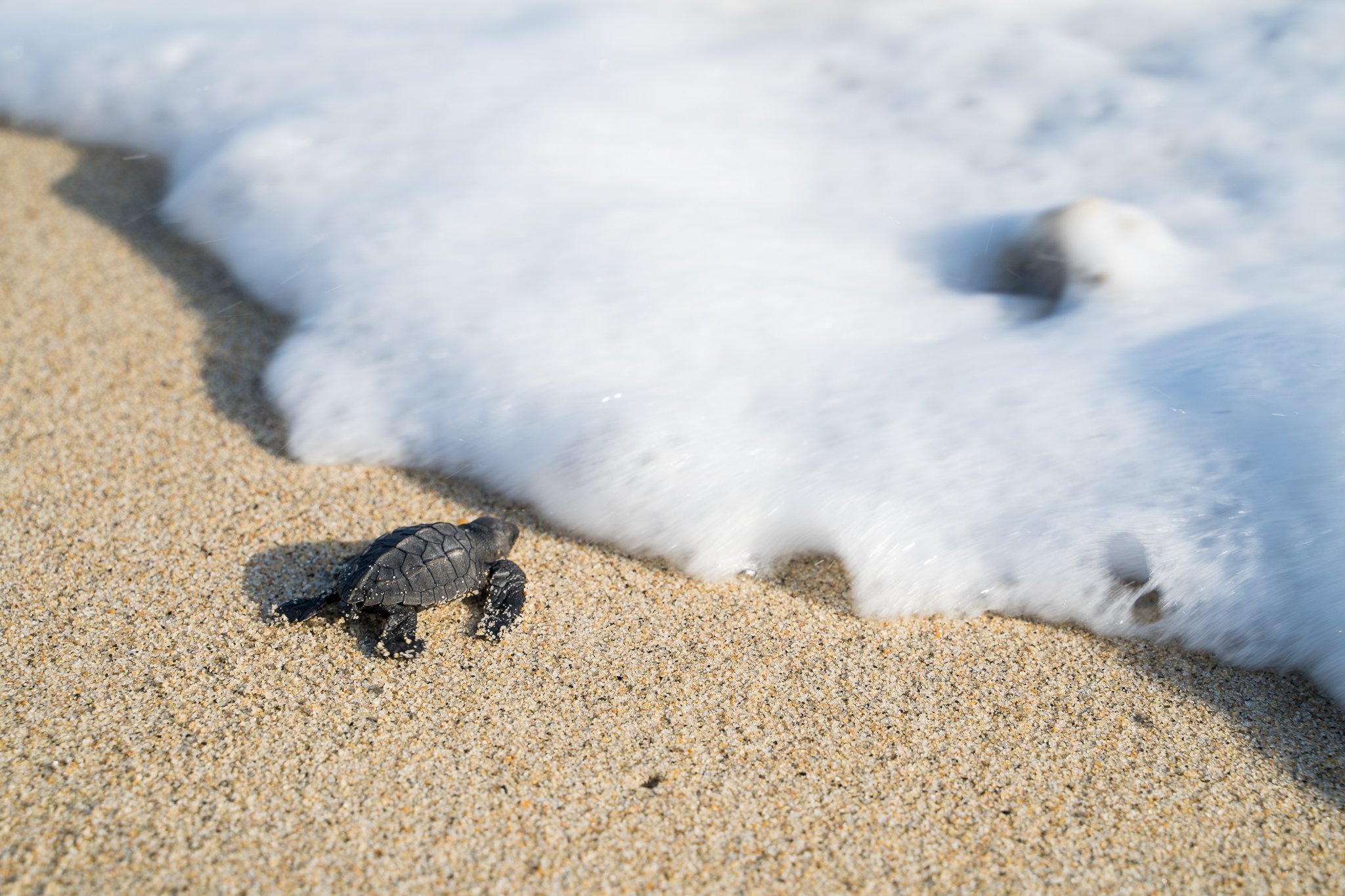
Guide baby turtles to the ocean at sunset while supporting local wildlife protection efforts
Reserve
Hand-picked by our editors — only the best 5 experiences from 12 reviewed.
Verified partners for every tour, free cancellation where available, and instant confirmation on every booking.
2 hr
Guide baby turtles to the ocean at sunset while supporting local wildlife protection efforts
Reserve
3 hr
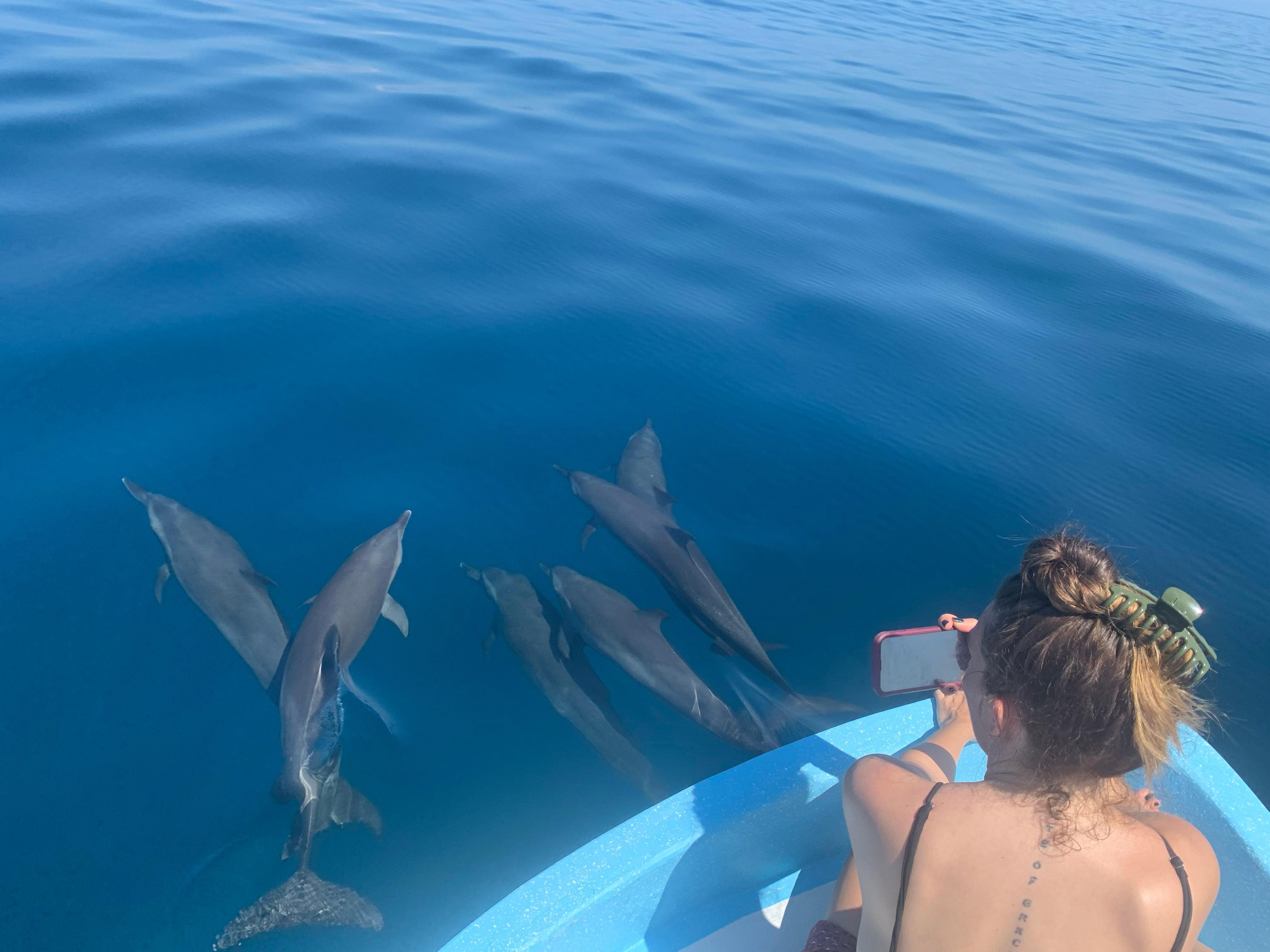
Three-hour coastal voyage searching for dolphins, sea turtles, and seasonal humpback whales
Reserve
2 hr 30 min
Help newborn turtles reach the ocean while supporting vital conservation efforts on the Pacific coast
ReservePrices from verified partners. Availability updates in real time at checkout. Free cancellation policies apply where shown.
The landmarks, rooms, and views travelers on this tour remember — all visible on a single visit.
The primary area where nests are protected and monitored until hatching occurs.
An educational talk where experts explain the life cycle and threats to turtles.
The marked shoreline section where participants help guide hatchlings toward the Pacific.
The hub for those interested in night monitoring and deeper conservation involvement.
Playa Bacocho offers superior convenience for those seeking a standard baby turtle release puerto escondido experience, while Playa Palmarito provides a quieter, more secluded environment for wildlife observation. They complement each other; most visitors who do both find the Bacocho location more accessible for a casual evening.
| Feature | Top pick Playa Bacocho | Playa Palmarito |
|---|---|---|
Accessibility |
Easy central road access | Requires private transport or tour |
Crowd Density |
High visitor volume | Low visitor volume |
Sunset Views |
Direct ocean horizon | Direct ocean horizon |
Conservation Focus |
Educational public release | Research and protection focus |
Transportation Requirements |
Taxi or local transit | Private tour vehicle recommended |
Pricing |
200 MXN per person | Varies by tour operator |
| See tickets → |
Verdict: Choose Bacocho if you need simplified baby turtle release puerto escondido tours with high reliability, or pick Palmarito for a private, tranquil encounter away from typical baby turtle release puerto escondido tickets crowds.
Choose your ticket, select your date, and reserve in under two minutes. Secure checkout handled by our verified partner.
Instant confirmation by email, with a mobile voucher you can save offline. No printing, no queuing at a collection desk.
Arrive at the entrance, show your voucher on your phone, and walk in. Most tickets include priority or skip-the-line access.
Practical details for your visit straight from our verified partners — hours, access, rules, and how to get there.
Playa Bacocho, Puerto Escondido
Look for the designated incubation tent on the sand.
The most convenient way to reach the baby turtle release Puerto Escondido from Centro or Zicatela.
Possible if staying in the Bacocho neighborhood.
Wear comfortable clothing suitable for walking on sand. Consider light layers as the temperature drops slightly after sunset.
Keep belongings minimal. There is limited space for large bags, so it is recommended to carry only essentials to the baby turtle release Puerto Escondido site.
Photography is permitted, but avoid using flash or artificial white lights which disorient the hatchlings. Capturing the baby turtle release Puerto Escondido experience should be quick to minimize stress on the animals.
The release site is located on a sandy beach. While most can participate, the terrain may be challenging for those with limited mobility.
Children are welcome and often find the experience educational. Please ensure children follow staff instructions to handle hatchlings with care during the baby turtle release Puerto Escondido.
No food or drink facilities are available on-site at the release area. Please dispose of any trash properly to keep the beach environment clean.
Playa Bacocho, Puerto Escondido
Look for the designated incubation tent on the sand.
Get directionsBest time to go, insider tips, nearby landmarks, and the cancellation fine print — flip through to skim what matters to you.
How crowds, weather, and events shift across the year.
Peak nesting months offer higher chances of daily releases at the baby turtle release Puerto Escondido site.
Nesting continues with pleasant evening temperatures perfect for coastal observation.
Leatherback turtle season, providing a different conservation perspective than the standard olive ridley releases.
Small details that turn a good visit into a great one.
Aim for the 17:00 opening to ensure your spot in the baby turtle release Puerto Escondido registration queue.
Never touch the turtles unless instructed by the staff to avoid affecting their energy reserves.
While releases happen daily, peak hatching occurs from July to December.
Your 200 MXN fee is a direct contribution to protecting coastal ecosystems.
Non-bookable sights within a short walk — free to visit, easy to pair.
A quiet, scenic beach located immediately adjacent to the release site.
A high-ground spot offering panoramic views of the coast and sunset.
A famous surf beach known as the Mexican Pipeline for its large swells.
Flexible, no hidden fees.
As this is a conservation-based activity, the 200 MXN fee supports ongoing recovery programs. Please confirm availability directly with the center if visiting in a large group.
Hand-picked options within walking distance — pick a district for vibe, or a specific hotel for convenience.
A popular, relaxed hostel with murals and proximity to the beach.
A beach club and hotel situated near the sandy coastline.
A quiet residential area offering various guest houses and rentals.
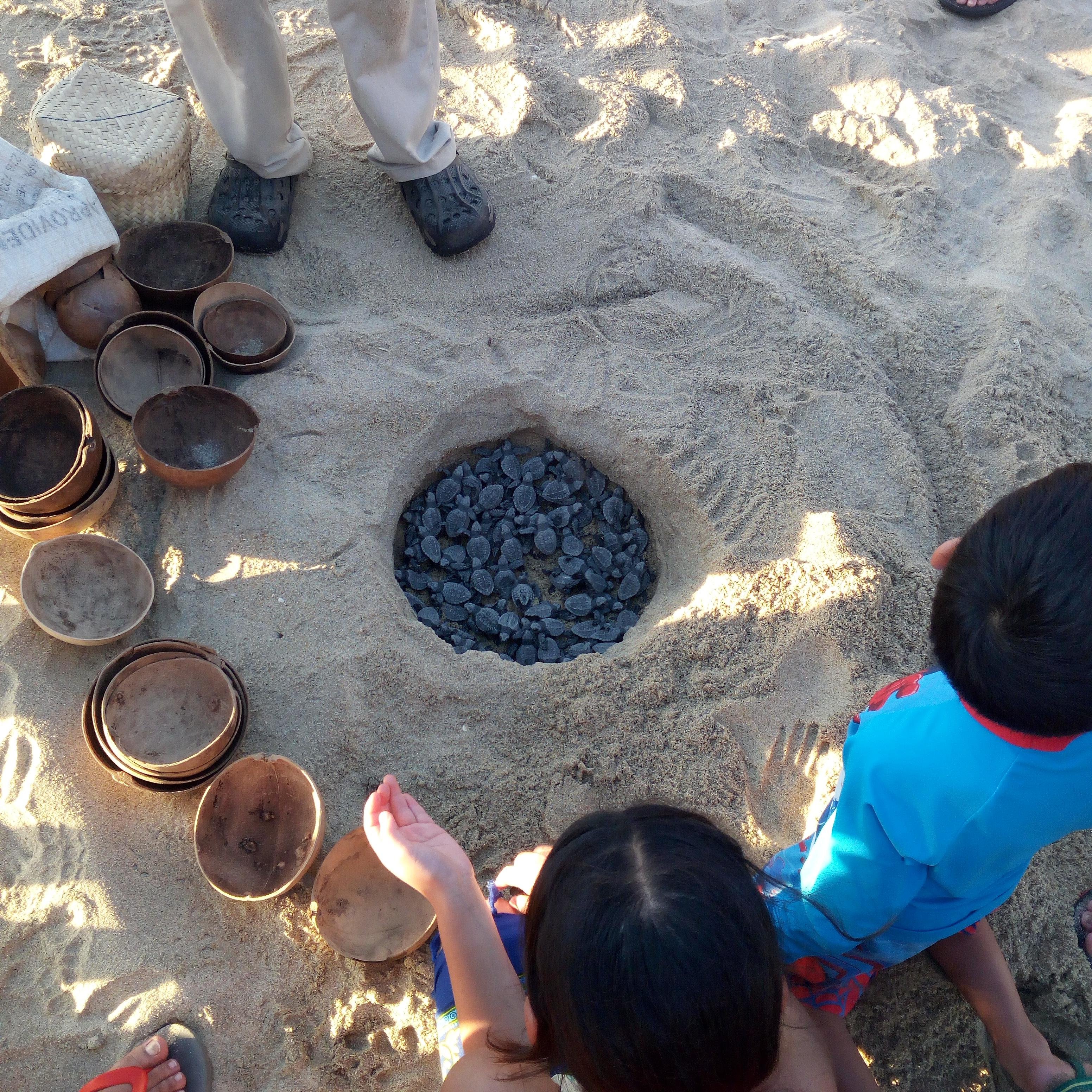
Every olive ridley hatchling that crosses Playa Bacocho's sand weighs less than 25 grams and faces a gauntlet of predators, tides, and disorientation from coastal lighting. The Vive Mar conservation program, operating since 2015, protects nests laid along Puerto Escondido's western beaches and times releases to coincide with sunset when natural light cues guide the reptiles toward the ocean and cooler temperatures reduce predation. Oaxaca's Pacific coast hosts three of the world's seven sea turtle species, with olive ridleys comprising the majority of nests recorded between June and January. Female turtles return to natal beaches to lay clutches of 80 to 120 eggs, burying them in sand where incubation temperatures determine hatchling sex ratios. Human development disrupted these ancient rhythms for decades. Hotels, restaurants, and streetlights confused emerging hatchlings, which instinctively crawl toward the brightest horizon. Nests were also vulnerable to poaching and accidental destruction by beachgoers. Organized protection began in the 1990s when local biologists partnered with federal authorities to establish hatcheries, semi-natural enclosures where relocated eggs could incubate under monitored conditions. Participants in the baby turtle release puerto escondido program receive a brief orientation on nest biology and handling protocols before each hatchling is placed in their palms. The reptiles are active, flippers churning, eyes fixed on the water. Release groups walk to the tide line in staggered intervals to prevent overcrowding and allow photographers to document each cohort. Biologists from Vive Mar record data on clutch size, emergence success, and environmental conditions, feeding into regional population assessments coordinated by Mexico's national turtle conservation network. The conservation fee supports nest patrols, hatchery maintenance, and educational outreach in nearby fishing communities where turtle meat and eggs were historically consumed. Playa Bacocho's program also collaborates with beachfront properties to install turtle-friendly lighting and mark nesting zones during peak season. Hatchling survival to adulthood remains low—estimates suggest one in 1,000 reach reproductive maturity—but protected releases significantly improve their odds during the vulnerable first hours when disorientation and exhaustion claim the majority of unassisted hatchlings.
"One in 1,000 hatchlings reach reproductive maturity, making each protected release a measurable contribution to population recovery."
A step-by-step walkthrough of the visit — what you'll see, how long each stage takes, and the details that matter.
You arrive at Playa Bacocho between 5:00 and 6:30 PM, when the afternoon heat softens and the Pacific horizon glows amber. A biologist briefs your group on olive ridley nesting cycles and demonstrates proper handling technique—cupped palms, minimal pressure, no obstruction of the flippers. You receive a single hatchling, its shell still soft from emergence, legs paddling against your skin. The group walks to the wet sand, forming a loose line parallel to the surf. On the biologist's signal, you crouch and set the hatchling down. It orients immediately toward the water, flippers digging into the sand in a determined crawl. Waves wash over it twice before a surge carries it into deeper water. You watch until the dark speck disappears into the foam. Other participants release their hatchlings in staggered intervals. A few turtles veer off course and are gently redirected. The biologist explains that this short journey imprints the beach's magnetic signature, a navigational memory the turtles will use decades later if they survive to adulthood. After the final hatchling enters the water, the group lingers as the sun drops below the horizon and pelicans skim the tideline.
The center is open daily from 17:00–19:00 for the scheduled sunset sessions.
No, appointments are not required for the daily public releases at the baby turtle release Puerto Escondido.
The conservation/recovery fee is 200 MXN per person, collected on-site.
Yes, but please refrain from using flash or artificial lights that may confuse the hatchlings.
Yes, children are welcome but must follow all staff instructions for a safe and respectful interaction.
Bring comfortable clothes, cash for the fee, and ensure you have no flash-enabled devices.
You can easily reach the site via taxi from anywhere in town, or walk if staying in the Bacocho district.
Yes, the program also monitors other species like leatherback and green turtles depending on the season.
Activities continue as planned unless weather poses a danger; check with the team on-site for any updates.